
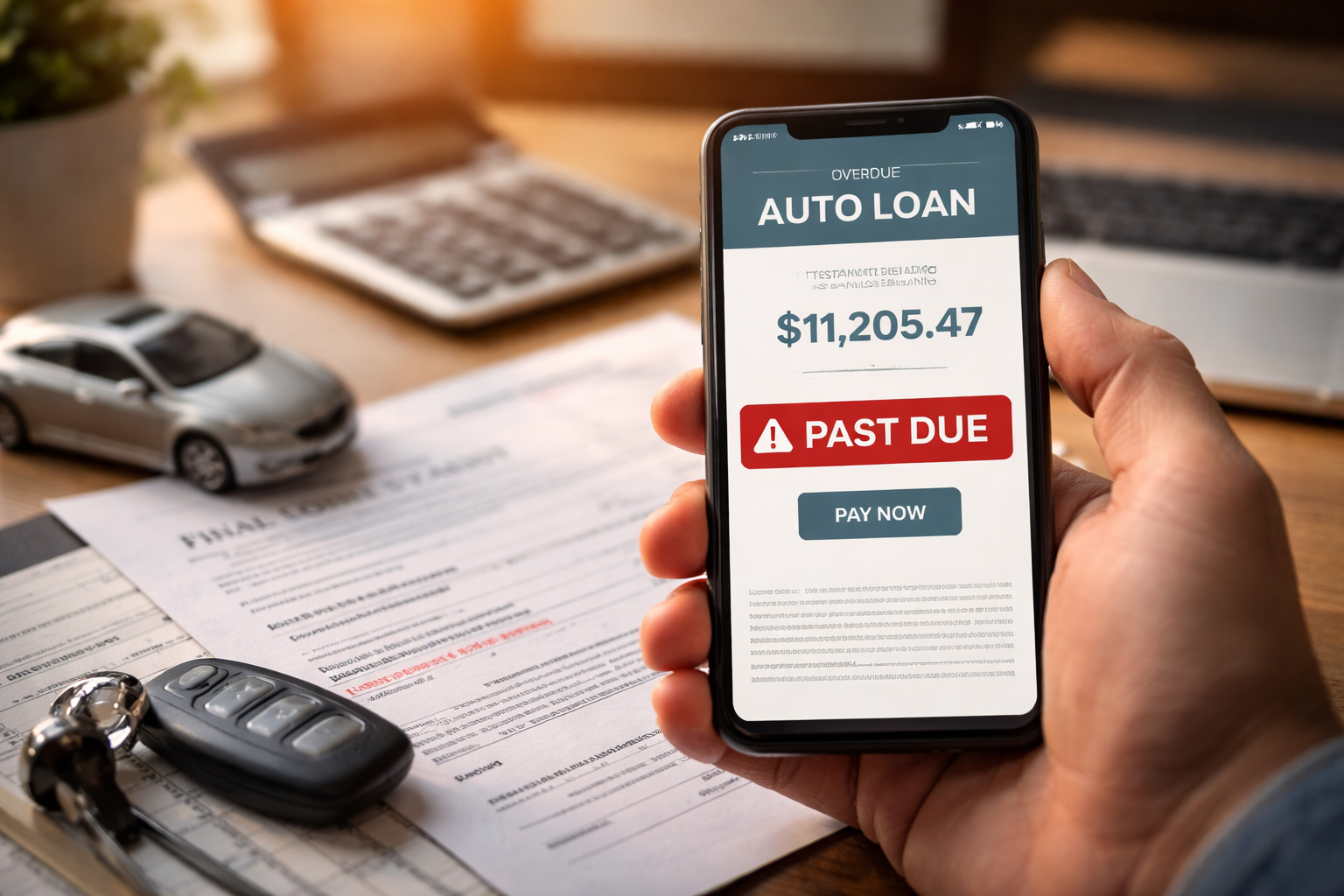
Dealer Did Not Pay Off Previous Loan After Trade-In was not something you expected to investigate after handing over the keys. Usually the moment starts small. You log into your old lender account for what you think will be the last time, expecting to see a zero balance or at least a pending payoff. Instead, the balance is still there. Maybe the payment due date is still active too. Maybe there is even a late warning. That is the moment your stomach drops, because the trade-in is already gone, the new deal is already signed, and yet the old loan is still acting like nothing changed.
What makes this situation so unsettling is that it does not feel like a simple paperwork problem. It feels like you are stuck in between two transactions that were supposed to connect, but did not. The dealer has your old vehicle. You may already be driving the new one. The lender on the old loan is still expecting payment. And no one gives a straight answer in the first phone call. This is the point where people lose valuable time by assuming the system will catch up on its own.
If you want to understand how trade-in payoff problems actually unfold and why delays keep happening even after you leave the dealership, this guide breaks down the most common failure patterns:
Why this problem turns serious so fast
When Dealer Did Not Pay Off Previous Loan After Trade-In happens, the danger is not just that a payment is late. The real danger is that the transaction you thought was finished is still open in multiple systems at once. The dealer’s sales side may treat the trade-in as completed. The financing side may still be waiting for funding. Your old lender may still see only an unpaid contract. Credit reporting systems do not care that the vehicle changed hands if the old account was never actually paid off.
That creates a bad overlap. You can end up with a new loan application, a new contract, and an old active debt all at the same time. Interest may continue growing on the previous loan. Automatic payments may still draft. Insurance questions can get messy. If enough time passes, the old lender may treat the account as delinquent even though you no longer have the vehicle. The problem becomes much more expensive once it shifts from “processing delay” to “credit damage” or “collections activity.”
What is usually happening behind the scenes
Most people picture a trade-in payoff as one immediate action: the dealer takes your old car and sends money to the old lender. In reality, the payoff is often tied to several separate steps, and that is where things break down.
The dealer may first need the new financing to fund. The amount owed on the old vehicle may have been estimated using a payoff quote that later expired. The finance office may be waiting on a contract correction, lender stipulation, title issue, identity verification, insurance confirmation, or funding approval. Sometimes the trade payoff check was approved internally but not actually sent. Sometimes it was sent with the wrong account number or wrong payoff amount. Sometimes the dealer is still trying to unwind negative equity or match the numbers in a rewritten contract.
That is why Dealer Did Not Pay Off Previous Loan After Trade-In can continue for days or weeks while different departments blame each other. Sales may say finance is handling it. Finance may say the lender has not funded. The lender may say no payoff was received. Meanwhile, your old loan stays live.
How to tell which version of this problem you are in
Not every payoff failure is the same. You need to identify the exact pattern quickly, because the right response depends on where the chain broke.
The payoff was never sent at all
This is the cleanest but most urgent version. The dealer still has the trade-in, the old lender has received nothing, and the old account remains fully active. This often happens when funding has not completed or when the dealer is internally delayed. In this version, you need written confirmation from the dealer of when the payoff will be sent and whether the new financing has actually funded.
The payoff was sent too late
Here, the dealer may eventually send the money, but not before another payment becomes due. This is where borrowers get trapped into a false choice: pay the old loan even though the dealer was supposed to, or refuse to pay and risk late reporting. In practice, protecting your credit usually matters more in the short term than proving a point. You can still pursue reimbursement or correction later.
The payoff amount was wrong
If the old lender was sent an outdated payoff figure, the account may show a leftover balance even though the dealer insists it was paid. This often happens when interest accrued, daily payoff changed, or fees were added after the dealer pulled the original quote. In that situation, the loan may look “mostly closed” but not actually satisfied. That leftover balance can still trigger statements, late notices, or credit reporting.
The payoff was misapplied
The money may have been issued but not credited properly. A wrong account number, missing reference number, or lender processing mismatch can leave the payoff in suspense while your account still shows due. This is especially dangerous because the dealer may think the matter is finished while the lender’s system still treats your loan as unpaid.
The new deal itself is unstable
Sometimes Dealer Did Not Pay Off Previous Loan After Trade-In is not the core problem but a symptom of a bigger one. If the new financing was never fully approved, was rewritten after signing, or was rejected by the lender, the dealer may hesitate to pay off the old loan until the replacement financing is secured. That means your trade-in payoff is being held hostage by a financing problem you may not even know exists yet.
What the dealer will often say, and what it usually means
You will often hear phrases that sound reassuring but are actually vague. “It’s being processed.” “Funding is delayed.” “Accounting is handling it.” “The check already went out.” “It takes time for the lender to post.” Some of these may be true. But unless they give you dates, amounts, and proof, those statements do not protect you.
When the dealer says the payoff is in process, ask whether the new loan has funded. Ask the date the payoff was issued. Ask the exact payoff amount sent. Ask for the check number or wire confirmation. Ask which lender account number it was tied to. If they cannot answer basic transaction questions, the payoff is not truly under control yet.
If you are seeing signs that financing itself may not have been completed properly, this related article may help you compare patterns:
What this means for your credit and legal position
The hardest part of this problem is that the old loan is still legally yours until it is actually paid. That remains true even if the dealer contract says they would pay it off. In other words, the dealer may have created the problem, but your old lender is still looking at you as the responsible borrower until funds clear and the lien is satisfied.
That does not mean the dealer is off the hook. It means you have two separate realities to manage at the same time. First, you may have a contractual claim or dispute with the dealer if they failed to perform the agreed payoff. Second, you still have to prevent avoidable damage on the old account while that dispute is playing out. People get into deeper trouble when they focus only on proving the dealer wrong and ignore the live loan that is still reporting under their name.
What to do in the first 24 to 48 hours
When Dealer Did Not Pay Off Previous Loan After Trade-In, speed matters. Your first goal is clarity. Your second goal is documentation. Your third goal is pressure.
Start with the old lender. Confirm the exact current balance, whether any payoff funds were received, whether a payoff quote was requested recently, and when the next payment is due. Ask whether the account is at risk of late reporting if unpaid by a certain date.
Then contact the dealership finance office, not just the salesperson. Ask them directly whether the new deal has funded, whether the payoff has been issued, and if not, why not. Request written proof of any payoff already sent. If they say a check was mailed, ask for the send date and tracking details if available. If they say a wire was sent, ask for confirmation details.
Save everything. Screenshots of your lender account. Email summaries. Names of who you spoke with. Dates and times. Amounts quoted. The more the story changes, the more important your paper trail becomes.
What to do if another payment is due before this is fixed
This is where many borrowers freeze. They do not want to make another payment on a vehicle they traded in, and that reaction is understandable. But if the old lender has not yet received and posted the payoff, the late mark can still hit your credit. In many situations, making the minimum payment to prevent late reporting is the safer short-term move, even while you continue pressing the dealer.
That does not excuse the dealer. It protects you while the dispute is unresolved. Later, you can demand reimbursement, account correction, or compensation depending on the facts and the state law involved. But it is much easier to argue over money than to clean up credit damage after it has already posted.
When this becomes more than a delay
There is a difference between a short processing lag and a deeper dealership failure. The situation is becoming more serious if the dealer stops giving dates, refuses to provide written proof, changes the explanation each time, tells you to ignore the old lender, or has already sold or transferred the trade-in while the old lien remains active. It is also more serious if the old lender starts mentioning delinquency, default, repossession review, or collections.
At that point, Dealer Did Not Pay Off Previous Loan After Trade-In is no longer just a timing issue. It is now a risk management problem. You may need to escalate to dealership management, the lender involved in the new deal, state consumer protection channels, motor vehicle regulators, or legal counsel depending on how far the problem has gone.
Mistakes that make the situation worse
The most damaging mistake is assuming silence means progress. The second is relying only on phone calls with no written follow-up. The third is stopping all payments without understanding the credit timeline. The fourth is arguing only with the salesperson instead of the finance office or general manager. The fifth is waiting until collections language appears before taking the matter seriously.
This problem rarely improves because time passed. It improves because someone forced the transaction trail into the open and kept pressure on the right people.
Recommended reading
If you want the closest related article to this situation, this one is the best companion because it focuses on the same trade-in payoff failure from another angle:
FAQ
How long should a trade-in payoff normally take?
It can take several business days, but that does not mean long unexplained delays are normal. Once payment due dates or late risk are approaching, you should stop treating it as routine.
Can the dealer keep saying funding is delayed?
They can say it, but you should not accept that as a complete answer. Ask whether the new loan is actually funded, whether payoff was sent, and what exact step is still incomplete.
Can my credit be hurt even if the dealer promised to pay off the old loan?
Yes. Until the old lender receives and posts the payoff, the account can still be treated as yours for payment and reporting purposes.
What if the payoff was sent but my old account still shows a balance?
That often means the payoff was short, misapplied, delayed in posting, or tied to the wrong account details. Get written proof from both sides and compare the numbers carefully.
Should I keep making payments on the old loan?
If a payment is about to become late and the payoff has not posted, protecting your credit may be the smarter move while you continue documenting and escalating the dispute.
Key Takeaways
Dealer Did Not Pay Off Previous Loan After Trade-In is not just an annoying delay. It can turn into dual-loan exposure, credit damage, and collections pressure if ignored.
Your old loan is still your problem until it is actually paid and closed, even if the dealer caused the failure.
The most important move is to identify which version of the problem you are in: no payoff sent, late payoff, wrong payoff amount, misapplied payoff, or unstable new financing.
You need proof, dates, amounts, and written follow-up. Vague verbal reassurance is not enough.
Protecting your credit early is usually easier than fixing it later.
What you should do right now
Dealer Did Not Pay Off Previous Loan After Trade-In problems become expensive when people wait for the dealership to become organized on its own. Call your old lender today and confirm whether any payoff was received, what the balance is, and when the next late risk begins. Then contact the dealer’s finance office and demand written proof of funding status and payoff status. If they cannot produce it, escalate immediately inside the dealership and continue building your documentation trail.
You do not need to panic, but you do need to move. The goal right now is simple: stop this from becoming a reporting problem, force the transaction facts into writing, and make the dealer respond to a specific, documented payoff timeline. Once you know exactly where the chain broke, the situation becomes much easier to control.
Official source: Federal Trade Commission – Financing or Leasing a Car