
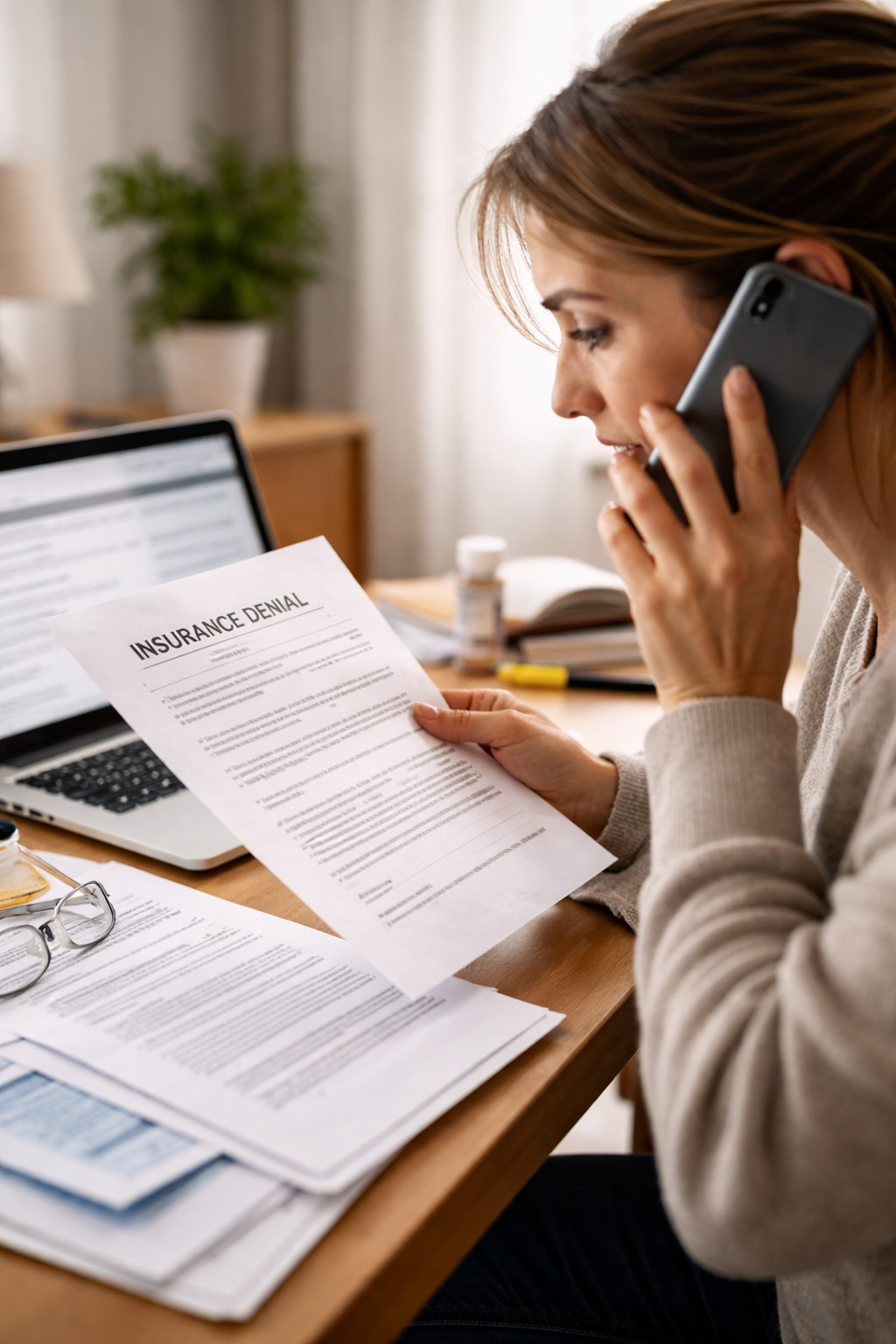
Dealer increased interest rate after contract — it usually happens when you’ve already emotionally closed the chapter. You signed. You got the keys. You told your family. You started planning the commute, the road trip, the “finally, I’m done with car shopping” relief. Then the dealership calls and says the lender didn’t approve the original APR. The new rate is higher. The payment changes. And the tone of the call makes it sound like you have no choice but to come back in.
In the moment, you don’t feel angry as much as disoriented. You replay everything you signed and wonder if you missed a line. You don’t want conflict. You just want the deal to stay what it was. But when a dealer increased interest rate after contract, the biggest risk is agreeing to a new contract before you understand whether the dealer is correcting a real lender issue or simply reshaping the deal in their favor. This is solvable, but only if you slow the process down and run it like a checklist.
If you want a deeper explanation of “terms changed after signing” generally, this hub guide can be helpful context (and it’s closely related to this situation):
First: Confirm Whether Your Deal Was Actually Final
Many dealer increased interest rate after contract situations begin with something buyers rarely notice: the financing may have been conditional. That means you were allowed to take delivery before the lender fully “booked” the deal.
You do not need to become a contract expert, but you do need one specific answer:
Was your financing finalized and funded, or was it pending approval?
How to verify quickly:
- Ask the dealer: “Has the original loan been funded by a lender yet?”
- Ask for the lender’s name, approval status, and the reason for change in writing.
- Check whether your paperwork mentions conditional delivery, spot delivery, or a financing contingency.
If the dealer can’t clearly explain why the APR changed, treat that as a signal to slow down further, not speed up.
What’s Happening Behind the Scenes (Without the Lecture)
When a dealer increased interest rate after contract, the dealership is often managing lender underwriting rules. Even if your credit was pulled and you “got approved,” lenders can reject a contract for details like:
- Debt-to-income ratio changed or was miscalculated
- Verification documents (income, residence) weren’t sufficient
- Loan-to-value was too high (price vs book value)
- Down payment or trade-in value didn’t meet requirements
- The term length pushed the payment risk too far
Sometimes the fix is legitimate: restructure the deal to meet lender criteria. But there’s also another reality:
Sometimes the “lender story” becomes a pressure tactic because the dealership wants a better margin on the financing.
Your job is to separate “real underwriting change” from “dealer-driven reshaping.” You do that with documentation and alternatives.
Quick Self-Check: Which Path Are You In?
Use this mini checklist before you agree to anything. In a dealer increased interest rate after contract situation, the right response depends on which track you’re on.
- You already drove the car home? (Yes suggests conditional/spot delivery is possible.)
- The dealer says it’s the bank, but won’t name the bank? (Red flag.)
- They want you in today “or the deal is off”? (Pressure signal.)
- The new APR is dramatically higher? (More likely markup or re-structuring.)
- You have strong credit and stable income? (Ask why underwriting would suddenly fail.)
This isn’t about accusing anyone — it’s about staying in control of the decision.
Common Scenarios and the Best Response for Each
Below are the most common patterns that trigger “dealer increased interest rate after contract.” Pick the box that matches your situation and follow the steps inside it.
Pattern 1: “The Bank Didn’t Approve the Rate” (No Specifics)
What to do:
- Ask for the lender name(s), date submitted, and the reason code or explanation.
- Ask: “Can you show me the lender’s counteroffer terms?”
- Do not agree verbally to a new rate. Request the details in writing first.
- Tell them you are obtaining outside financing quotes and will respond after review.
Pattern 2: “Your Credit Score Changed” (Or They Say the Pull Was Different)
What to do:
- Ask which bureau and which score model they used (scores vary by model).
- Ask whether there were multiple hard pulls and whether that affected approvals.
- Request a copy of any adverse action notice if a lender actually declined.
- If you have proof of pre-approval from your bank/credit union, present it.
Pattern 3: “We Need a Higher APR Unless You Add More Down Payment”
What to do:
- Ask if the issue is loan-to-value (vehicle priced above what lender will finance).
- Request the exact amount needed to meet lender guidelines.
- Compare two options: add cash vs refinance elsewhere vs unwind the deal if allowed.
- Don’t let “small down payment increase” hide a large long-term interest cost.
Pattern 4: “We Can Do the Old Payment If You Extend the Term”
What to do:
- Calculate total interest over the entire term (term extension can cost more than APR change).
- Ask for the amortization schedule or at least total of payments.
- Monthly payment is not the truth — total cost is the truth.
- If you plan to refinance soon, confirm there is no prepayment penalty or add-on that blocks refinance.
Pattern 5: “Sign This New Contract Today” (High Pressure)
What to do:
- Say: “I will review the revised contract at home before signing.”
- Ask for a full copy of the new contract and all addendums.
- Ask what happens if you decline — return option, unwind process, mileage limits, fees.
- Pressure is not proof. It is a strategy. Treat it as such.
The Two Questions That Cut Through Most Confusion
In almost every dealer increased interest rate after contract dispute, these two questions force clarity:
- “Has the original loan been funded?” If yes, changing terms is harder to justify.
- “Show me the lender’s counteroffer or decline reason.” If they can’t, you may be negotiating dealer choices, not bank realities.
If the dealer will not provide documentation, treat the new APR as unverified.
What You Can Do Instead of Accepting Their New APR
You usually have alternatives, even when the dealer increased interest rate after contract:
- Bring outside financing: a credit union or your bank may approve at a better rate.
- Renegotiate price: if rate rises, the vehicle price may need to drop to keep total cost reasonable.
- Adjust structure carefully: shorter term, different down payment, different lender.
- Unwind the deal (when available): if financing was conditional, returning the car may be an option.
This FTC page explains car financing vs leasing and what to watch for when a dealer offers financing.
Mistakes That Make a Bad Situation Worse
When a dealer increased interest rate after contract, these are the mistakes that lock buyers into expensive outcomes:
- Signing a second contract “just to get it over with.”
- Letting the dealer focus only on monthly payment.
- Agreeing verbally before you have paperwork in hand.
- Assuming you have no right to say no.
- Not comparing outside financing.
If you sign new terms, it becomes much harder to argue about the old ones.
How to Document This So You Keep Leverage
This is the calm way to protect yourself without turning it into a fight. In a dealer increased interest rate after contract situation, documentation gives you options.
- Save screenshots of texts, emails, and portal messages.
- Write down the date/time of calls and who spoke to you.
- Ask for revised terms in writing, not over the phone.
- Keep copies of your signed contract and all addendums.
When facts are written, pressure loses power.
Key Takeaways
- dealer increased interest rate after contract often signals conditional financing or deal restructuring.
- Always verify whether the original loan was funded and request lender documentation.
- Outside financing is your fastest leverage tool.
- Monthly payment is not the best metric; total cost matters.
- Do not sign revised paperwork until you review it calmly and fully.
FAQ
Is it legal if a dealer increased interest rate after contract?
It depends on whether the financing was final or conditional and what your contract allows. The key is verifying funding status and getting documentation for the claimed lender decision.
Do I have to accept the higher APR?
Often, no. You can choose outside financing, negotiate different terms, or decline to sign a new contract depending on how the deal was structured.
What if they threaten to take the car back?
Ask what the signed documents say about conditional delivery and unwind procedures. Do not sign a new contract under threat without reviewing your options.
Can I refinance immediately after buying?
Many people do, but verify there are no prepayment penalties and that the contract doesn’t include add-ons that complicate refinancing.
What to Do Today (So You Don’t Lose Control)
dealer increased interest rate after contract — if you’re in this situation right now, treat it like a controlled financial decision, not a surprise emergency. Ask whether the original loan was funded. Request the lender’s reason in writing. Compare outside financing quotes before you return to sign anything.
Right now, your goal is simple: keep the decision in your hands. Today, tell the dealer you will review the revised paperwork at home, and you will respond after you verify the lender story and your alternatives. This is not being difficult. It is being financially responsible.
Once you slow down, you’ll usually find the truth: either the lender really changed the terms — or the dealer is testing whether you’ll accept a worse deal. Either way, a calm, documented response protects you.